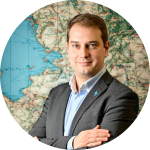
András Molnár
andras.molnar@szolidarisgazdasag.hu
Regional economist (PhD) and environmental engineer with 15 years’ experience in the humanitarian and disaster management field, as well as in organizations working on community initiatives and sustainable development. Experienced in cooperation with local governments, public and civil society actors and international organizations, with a main focus on policy collaboration, climate adaptation and community resilience. Coordinator of Transformator.
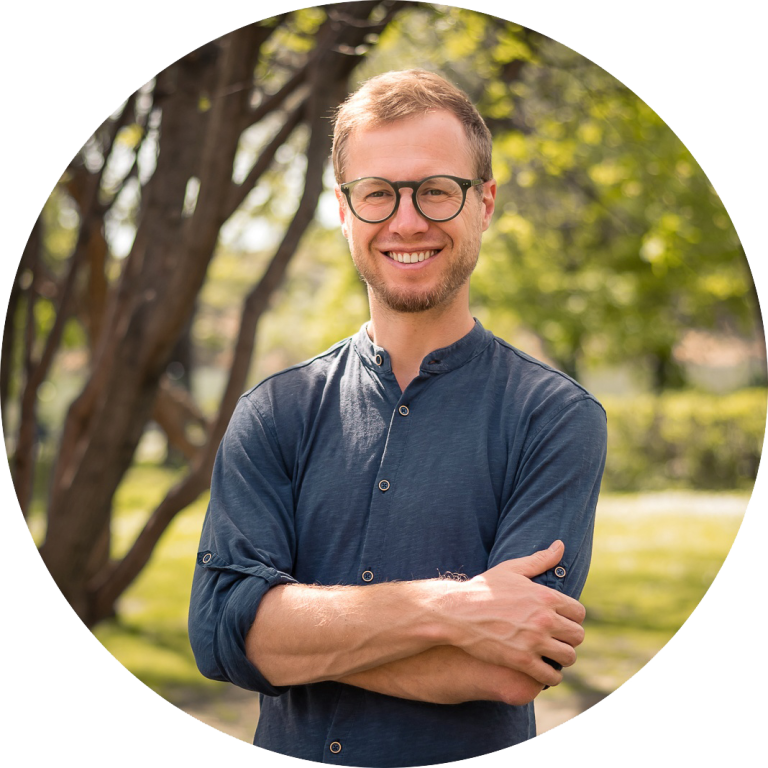
Márton Fabók
marton.fabok@szolidarisgazdasag.hu
Economist-social scientist (PhD), worked on socio-economic issues of energy transition in academia, NGOs and market organisations. He has been a member of the organisation since its foundation and is currently the co-coordinator of Transformator.
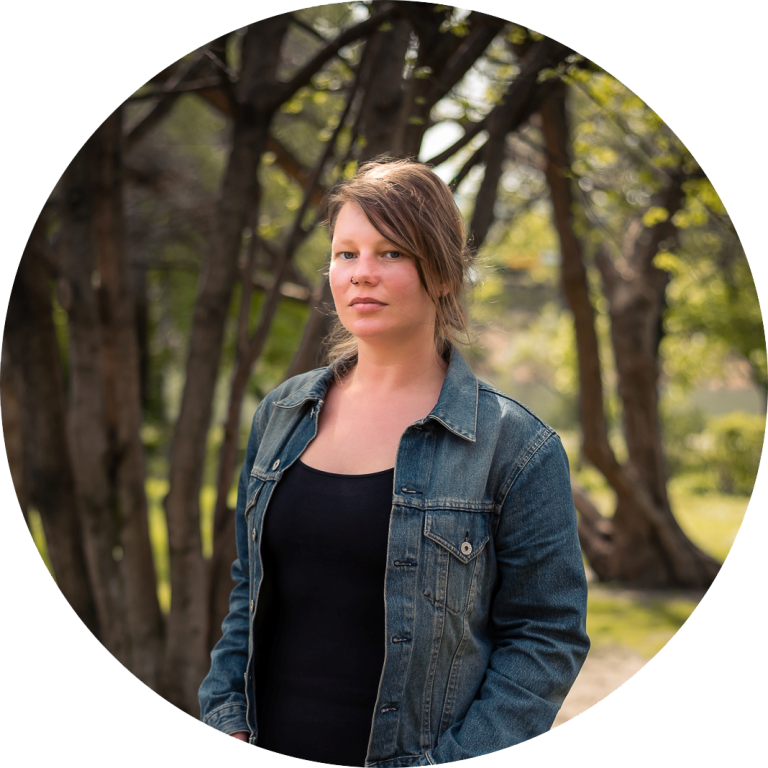
Anita Szőllőssy
anita.szollossy@szolidarisgazdasag.hu
Graduated in Human Ecology from ELTE and in Regional and Environmental Economics from Corvinus University, than worked mainly on social research and awareness raising projects. Over the years, her main focus became municipalities and sustainable urban and rural development, including the preparation of strategies and action plans based on community involvement
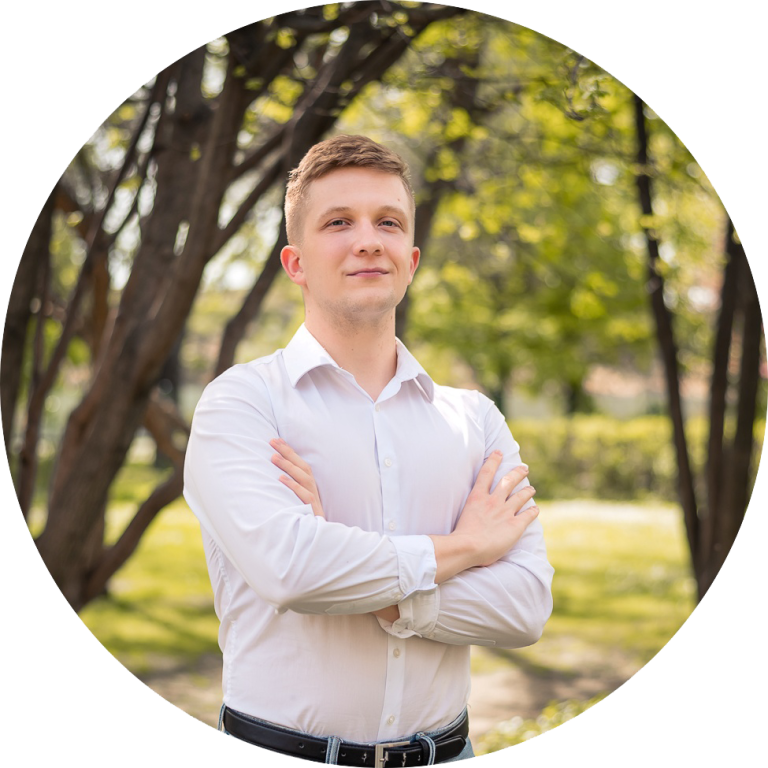
Dávid Gelencsér
david.gelencser@szolidarisgazdasag.hu
Graduated in Geography from the Faculty of Sciences of ELTE with a specialisation in renewable energy. The topic of his thesis was 4th Generation District Heating. Currently studying for a Master’s Degree in Geoinformatics at the Faculty of Informatics of ELTE. At Transformator, he works in the fields of Communication and Capacity building.
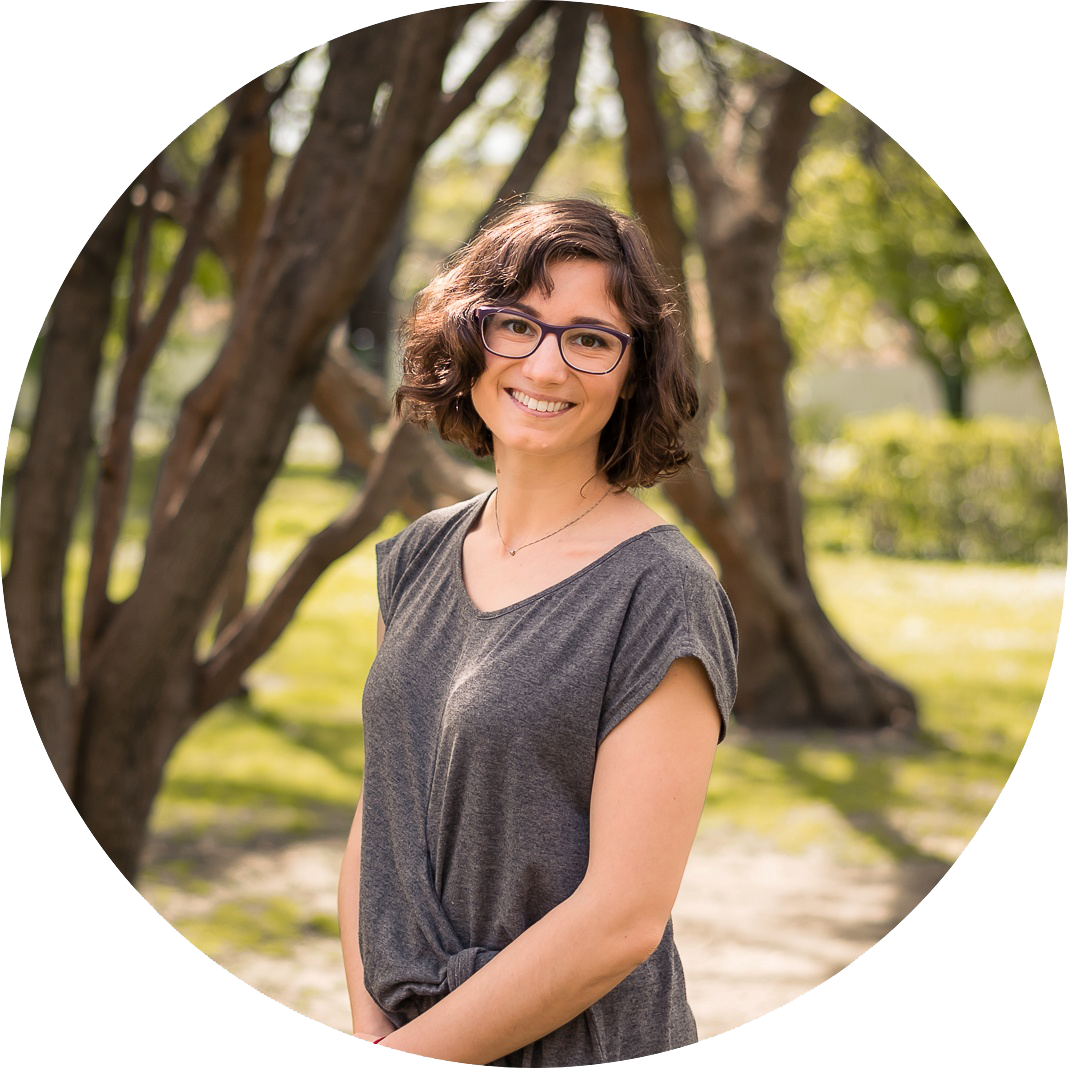
Fanni Sáfián-Farkas
fanni.safian.farkas@szolidarisgazdasag.hu
Fanni Sáfián-Farkas (PhD), environmental geographer (ELTE TTK). She studied sustainable energy planning and management (Aalborg University, Denmark), and worked at Energiaklub, Klimapolitika kft. and MEHI, as well as a volunteer researcher for the energy planning research group This way ahead! and the Small Local Communities Programme. Her main areas of interest are environmentally and socially sustainable energy management, energy efficiency in buildings and community energy production.